Como escolher a haste de perfuração correta para ferramentas de perfuração de rochas
How to Choose the Right Drill Rod for Rock Drilling Tools
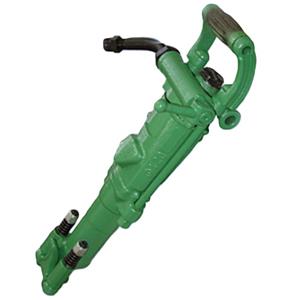
A drill rod is an essential part of any rock drilling system. It connects the rock drill to the drill bit and transfers impact energy, rotation, and flushing media through the drill string. In mining, quarrying, tunneling, and construction projects, choosing the right drill rod helps maintain drilling efficiency, protect equipment, and reduce downtime.
The correct rod is not selected by price alone. Material quality, rod shape, diameter, drilling depth, rock conditions, and rock drill power all need to be considered together.
Start with Material, Shape, and Size
The drill rod material is one of the first factors to evaluate. A high-quality alloy-steel rod should provide sufficient strength, toughness, and resistance to repeated impact loading.
Rod shape and dimensions must also match the drilling tool and intended application. The rod should be compatible with the shank adapter, coupling sleeve, and drill bit. A poor connection can reduce energy transfer, accelerate thread wear, and create unnecessary operating risks.
Match the Rod to Rock Conditions
Rock strength and hardness have a direct effect on drill rod selection. Harder rock generally requires a higher-power rock drill and a stronger, more durable rod.
If the drill rod does not provide adequate strength or fatigue resistance, the drilling system may not operate correctly. Repeated impact and rotation can lead to thread damage, bending, cracking, or premature breakage.
For abrasive or demanding formations, it is important to select a rod with suitable material properties and heat treatment to support a longer service life.
Consider Hole Diameter and Hole Depth
Drill-hole diameter is an important selection factor. The drill rod should be matched to the required hole size and the drilling equipment’s capacity.
Hole depth should not be ignored. Shallow-hole drilling may use shorter, simpler rod configurations, while deeper holes often require threaded drill rods and coupling sleeves to extend the drill string. As drilling depth increases, alignment, thread quality, and rod straightness become more critical.
The rod must remain stable throughout the drilling process to reduce hole deviation and maintain efficient energy transmission to the bit.
Check Equipment Compatibility
A drill rod should not only fit the hole; it must also match the drilling machine. The rock drill’s impact power, rotation torque, and flushing capacity should be appropriate for the selected rod.
Experienced drilling personnel can often identify compatibility issues by inspecting the drill rod, thread system, and connection interfaces. However, a systematic selection process is more reliable: confirm the drilling application, rock condition, machine power, hole diameter, hole depth, and thread specification before putting the rod into service.
Do Not Ignore Product Quality
O custo é importante, mas escolher a haste de perfuração mais barata pode gerar custos mais altos posteriormente devido a falhas prematuras, menor velocidade de perfuração e perda de tempo de produção.
Uma haste de perfuração de qualidade proporciona desempenho estável, conexões confiáveis e maior resistência a impactos e fadiga. Selecionar a haste correta para a ferramenta de perfuração, a formação rochosa e as condições de operação ajuda a melhorar a produtividade, protegendo toda a coluna de perfuração.